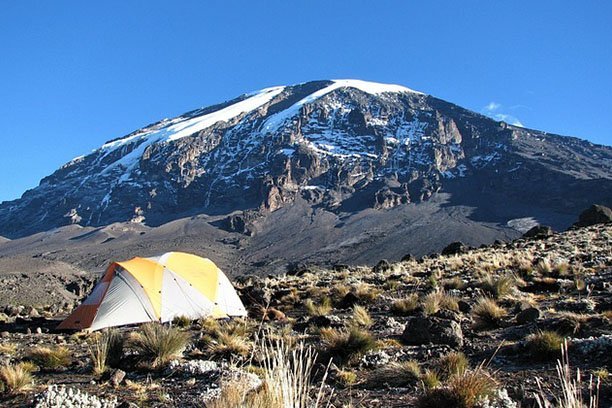
Mount Kilimanjaro, Africa's highest peak at 5,895 meters (19,341 feet), attracts over 35,000 climbers each year. One of the most critical decisions you will make is choosing your route. Each of the six main routes to the summit offers a unique experience in terms of scenery, difficulty, crowds, and—most importantly—your chances of reaching Uhuru Peak.
This comprehensive guide compares every route, including success rates, pros and cons, and expert recommendations to help you choose the right path for your unforgettable Kilimanjaro climb.
The Golden Rule of Kilimanjaro Climbing
Before diving into the routes, understand this: more days on the mountain equals a significantly higher success rate. Altitude sickness is the primary reason climbers turn back, and your body needs time to acclimatize by producing more red blood cells to carry oxygen. Routes with longer itineraries consistently report summit success rates of 85–95%, while shorter routes often fall below 65%.
Kilimanjaro Routes Comparison Table
| Route | Days | Difficulty | Success Rate | Crowds | Accommodation | Best For |
|---|---|---|---|---|---|---|
| Lemosho | 7-8 | Moderate | ~90% | Low-Medium | Camping | First-timers, best all-rounder |
| Machame | 6-7 | Moderate+ | ~85% | High | Camping | Scenic adventure, fit trekkers |
| Northern Circuit | 9-10 | Moderate | ~95%+ | Very Low | Camping | Highest success rate |
| Rongai | 6-7 | Moderate | ~80% | Low | Camping | Wet season, solitude |
| Marangu | 5-6 | Easy-Moderate | ~50-65% | High | Huts | Budget, no camping |
| Umbwe | 6-7 | Hard | ~55-65% | Very Low | Camping | Experienced climbers only |
1. Lemosho Route: The Best Overall Experience
The Lemosho Route is widely considered the finest path up Kilimanjaro and our top recommendation for most climbers. Approaching from the west, it traverses the stunning Shira Plateau before joining the Southern Circuit for the final ascent.
Why Lemosho Stands Out
- Excellent Acclimatization: The 8-day itinerary provides natural "climb high, sleep low" opportunities, boosting success rates to approximately 90%.
- Stunning Scenery: From lush rainforest to the alien-like moorland of giant senecios and lobelias, the Lemosho Route showcases all five climate zones of Kilimanjaro.
- Low Initial Crowds: The first two to three days are quiet and remote, offering a true wilderness experience before joining the busier Machame trail.
- Gradual Ascent: Compared to the steeper approaches, Lemosho allows your body to adapt more comfortably to altitude.
Considerations
- Higher Cost: Longer duration means higher guide and park fees.
- Exposed Plateau: The Shira Plateau can be windy, especially in the afternoon.
Our Recommendation
Choose the 8-day Lemosho itinerary for the highest chance of summit success combined with spectacular scenery and manageable crowds. It is the safest first-attempt route on the mountain.
2. Machame Route: The Popular "Whiskey Route"
The Machame Route, nicknamed the "Whiskey Route," is the most popular path on Kilimanjaro, known for its dramatic scenery and challenging terrain. It offers a classic Kilimanjaro experience with excellent acclimatization opportunities.
Why Machame Is So Popular
- Spectacular Scenery: Highlights include the Lava Tower acclimatization point, the thrilling Barranco Wall scramble, and sweeping ridge walks with glacier views.
- Built-in Acclimatization: The classic route climbs to 4,600 meters at Lava Tower on Day 3, then descends to sleep low at Barranco Camp—a proven strategy.
- Well-Established Infrastructure: As the most popular route, operators are highly experienced, and logistics are smooth.
- Shorter Option: Available in 6 or 7 days, making it more time and budget-friendly than Lemosho.
Key Considerations
- High Crowds: July and August can be very busy on the trail and at camps.
- Steep Sections: The Barranco Wall requires some scrambling, and the ascent profile is more demanding than Lemosho.
Machame 7-Day vs. 8-Day
This is a critical distinction: the 8-day Machame variant adds a dedicated acclimatization day at Moir Hut, significantly boosting summit success compared to the 7-day version. We strongly recommend the 8-day option.
3. Northern Circuit: The Highest Success Rate Route
The Northern Circuit is the newest, longest, and least traveled of the major Kilimanjaro routes, offering the highest summit success rate of any path. It approaches from the west like Lemosho but breaks away at Lava Tower to traverse the remote northern slopes of the mountain.
Why Choose the Northern Circuit
- Exceptional Acclimatization: With 9–10 days on the mountain, this route provides the most thorough acclimatization profile, leading to success rates over 95%.
- Unparalleled Solitude: The northern slopes are virtually deserted, offering complete peace and quiet.
- Unique Perspectives: You will view the mountain from angles most climbers never see, with vistas across Kenya's Amboseli plains.
Considerations
- Longest Duration: Requires significant time commitment and is the most expensive route.
- Northern Slopes Can Be Windy: Exposed sections on the north side can feel colder than southern routes.
Who Is It For?
If you have the time and budget and want the absolute best chance of standing on Uhuru Peak, the Northern Circuit is the finest Kilimanjaro experience available.
4. Rongai Route: The Dry and Quiet Option
The Rongai Route is the only route approaching Kilimanjaro from the north, near the Kenyan border. It is the driest route due to its position in the rain shadow, making it the best choice for climbing during the wet seasons (March–May).
Why Rongai Appeals
- Driest Conditions: Significantly less rainfall than southern routes, offering more stable trail conditions in wet months.
- Low Crowds: Far fewer trekkers than Machame or Marangu, ensuring peace and solitude.
- Gradual Ascent: A gentler gradient than other routes, making it suitable for beginners.
Considerations
- Less Scenic: Scenery is less varied and dramatic than Lemosho or Machame, with fewer iconic landmarks.
- Lower Success Rate: The more gradual ascent profile paradoxically provides slightly less "climb high, sleep low" stimulus than routes with more dramatic elevation changes.
Who Is It For?
Rongai is ideal for climbers prioritizing solitude over maximum summit probability, especially those climbing during the rainy season.
5. Marangu Route: The Hut Accommodation Option
The Marangu Route, often called the "Coca-Cola Route," is the oldest and most established path on Kilimanjaro. It is the only route offering hut accommodation instead of camping.
Why Marangu Is Considered "Easier"
- Hut Accommodation: Sleep in dormitory-style huts with mattresses and dining halls—no tents required.
- Most Affordable: The shortest duration and hut infrastructure make it the budget-friendly option.
- Well-Maintained Path: Gradual gradient with clear trails.
Critical Warning
The Marangu Route's reputation as the "easiest" route is misleading and has contributed to its poor success rate. The 5-day Marangu has the lowest success rate on the mountain at approximately 50%, caused entirely by insufficient acclimatization rather than terrain difficulty. The 6-day option improves the rate to around 60–65% but still underperforms every other major route.
Who Is It For?
Only choose Marangu if camping is genuinely impossible due to medical or physical constraints. In all other cases, the itinerary length penalty is not worth the accommodation comfort.
6. Umbwe Route: The Most Challenging Path
The Umbwe Route is the steepest and most direct approach to Kilimanjaro's summit, starting from the south and ascending through dense forest on a challenging trail. It is the least-traveled of the camping routes and offers a true wilderness experience.
Why Consider Umbwe
- Dramatic Scenery: Remote and challenging, with stunning forest and ridge views.
- Complete Solitude: Very few trekkers choose this route—you will likely be alone.
- Ultimate Challenge: For experienced mountaineers seeking a physically demanding ascent.
Critical Warning
The rapid altitude gain provides very little time for acclimatization, resulting in a low success rate of approximately 55–65%. This route is not recommended for first-time climbers and should only be attempted by those with prior high-altitude experience and proven fitness.
Which Route Is Right for You?
| Your Priority | Recommended Route |
|---|---|
| Highest chance of summit success | Northern Circuit (9-10 days) |
| Best balance of success, scenery, and cost | Lemosho (8 days) |
| Fitness-focused adventure with classic scenery | Machame (8 days) |
| Climbing during the rainy season | Rongai (7 days) |
| Cannot camp (medical or physical constraints) | Marangu (6 days—never 5) |
| Experienced climber seeking extreme challenge | Umbwe (only for experts) |
Conclusion: Make the Right Choice for Your Climb
Choosing the right Kilimanjaro route is the most important decision you will make for your expedition. For first-time climbers, the 8-day Lemosho Route offers the best combination of scenery, acclimatization, and summit success. If you have additional time and budget, the 9-day Northern Circuit provides the ultimate experience with the highest chance of reaching Uhuru Peak.
Whichever route you choose, prioritize length over perceived difficulty. The mountain rewards those who respect its altitude—and the extra days are the best investment you can make in your Kilimanjaro adventure.