Dodoma, Tanzania’s capital city, is the most convenient base for visiting the Kondoa Irangi rock art sites. The distance is manageable for a day trip, and the route passes through scenic highland landscapes. But how exactly do you get there? What do you need to arrange? And what should you expect along the way? Here is everything you need to know about visiting Kondoa Irangi from Dodoma.
Distance and Driving Time from Dodoma to Kondoa Irangi
The drive from Dodoma to Kolo village — the gateway to the rock art sites — is approximately 130 to 160 kilometres, depending on your exact starting point in Dodoma. The journey takes about 2 to 2.5 hours on a paved road, with the final section on a well-maintained dirt road. The route passes through the Irangi Highlands, offering views of granite outcrops, baobab trees, and traditional villages. It is a beautiful drive, and before you know it, you are entering the ancient landscape that holds some of Africa’s most important rock art.
Do You Need a Guide to Visit the Rock Art Sites?
Yes. All visits to the Kondoa Irangi rock art sites require a mandatory guide from the Kondoa Tourism Office or Antiquities Office. You cannot visit the sites independently. Guides are trained in the history, archaeology, and conservation of the paintings, and they ensure that visitors respect the fragile artwork. They also know the best routes, the hidden shelters, and the stories behind the images. Without a guide, you would miss much of what makes Kondoa Irangi so special.
How to Get There: Transport Options
You have three main options for visiting Kondoa Irangi from Dodoma:
- Self-drive: You can rent a 4x4 vehicle and drive yourself to Kolo, but you will still need to hire a local guide at the site. This option requires good navigation skills, a reliable vehicle, and some advance planning. It is not recommended for first-time visitors.
- Public transport: Buses and daladalas run from Dodoma to Kondoa town, but they are slow, crowded, and not ideal for a day trip. You would still need to arrange local transport to the rock art sites, which can be difficult and time-consuming.
- Guided tour with Natured Safaris and Vacations: This is the easiest and most comfortable option. We provide hotel pickup in Dodoma, round-trip transport in a 4x4 safari vehicle, a professional guide, entry fees, lunch, and water. Everything is arranged for you, so you can relax and enjoy the experience.
What Is Included in a Kondoa Irangi Day Trip from Dodoma?
When you book with Natured Safaris and Vacations, your day trip includes:
- Hotel pickup and drop-off in Dodoma
- Professional English-speaking heritage guide
- Kondoa Irangi rock art site entry fees
- Guided tour of multiple rock shelters (Mongomi wa Kolo, Pahi, etc.)
- Packed picnic lunch
- Bottled drinking water
- Round-trip transport in a 4x4 safari vehicle
- Government VAT and cultural preservation fees
How Long Does the Tour Take?
A full-day tour from Dodoma typically starts at 7:00 AM and returns by 6:00 PM. The drive takes about 2 to 2.5 hours each way. You will spend about 3 to 4 hours at the rock art sites, including the guided hike, lunch, and cultural activities. If you want a more relaxed pace, we can customize the itinerary to suit your schedule.
What Should You Bring?
- Sturdy walking shoes with good grip
- Hat, sunscreen, and insect repellent
- Rain jacket (weather can change quickly)
- Camera with zoom lens (no touching the paintings)
- Plenty of drinking water
- Snacks
- Respectful clothing for visiting local villages
Best Time to Visit from Dodoma
Kondoa Irangi is accessible year-round. The best months are June to October and January to February, when trails are drier and the weather is cooler. The wet season (March to May) brings lush green landscapes but can make trails slippery. Early morning visits are ideal to avoid the midday heat and enjoy softer lighting for photography.
What You Will See Along the Way
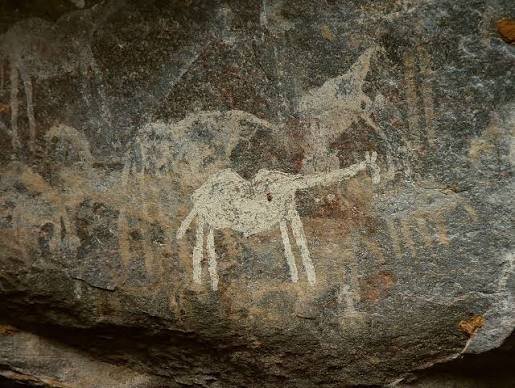
The drive from Dodoma to Kolo is scenic, passing through the Irangi Highlands. You will see granite outcrops, baobab trees, and traditional villages. Once at the rock art sites, you will view ancient paintings depicting hunters, dancers, cattle, giraffes, and spiritual figures. Your guide will explain the meanings and history behind each image. You may also visit local communities and learn about Irangi culture.