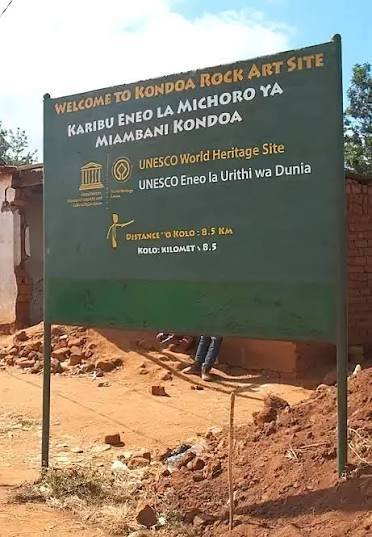
The Kondoa Irangi rock art sites are not just ancient relics. They are living cultural landscapes that continue to hold spiritual meaning for local communities. For the Warangi, Wasi, and Sandawe peoples, these rock shelters are places of ritual, healing, and connection to ancestors. Understanding this living heritage is essential for any visitor. Standing before the paintings, you are not just looking at history — you are stepping into a space that is still revered, still prayed in, and still cared for by the descendants of those who created the art.
A Living Heritage, Not Just an Ancient One
In many parts of the world, rock art is viewed as a museum piece — something behind glass, disconnected from the present. At Kondoa Irangi, that is not the case. The paintings are part of an active cultural landscape. Elders still visit the shelters. Offerings are still left. Prayers are still whispered. The rock walls are not silent; they are part of a conversation between the living and the ancestors. This is what makes Kondoa Irangi so extraordinary. It is not a dead site. It is a living one.
Which Communities Consider the Sites Sacred?
The main communities with cultural ties to the Kondoa Irangi rock art sites are:
- Warangi (Irangi): The dominant ethnic group in the Kondoa area, with a long history of agro-pastoralism and traditional spirituality.
- Wasi: A neighbouring group with shared cultural and ritual practices.
- Sandawe: A hunter-gatherer and click-speaking people, possibly descendants of the earliest artists.
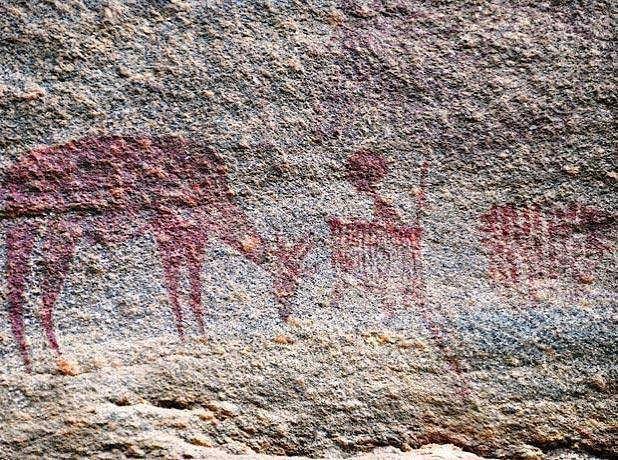
These communities have lived in the region for centuries and maintain oral traditions linked to the rock art sites. For them, the paintings are not just images — they are records of their ancestors’ lives, beliefs, and struggles.
How Are the Sites Used Today?
Several rock shelters are still used for:
- Rain-making ceremonies: Elders pray for rain at specific sites, especially during dry seasons.
- Healing rituals: Traditional healers may visit the sites to perform ceremonies for the sick.
- Initiation rites: Some sites are used for coming-of-age ceremonies.
- Ancestral veneration: Offerings such as honey, millet, or tobacco may be left at the sites.
- Community gatherings: The sites serve as meeting places for important decisions and cultural events.
The most sacred site is Mongomi wa Kolo, which is considered the central ritual point for local communities. It is here that many of the most important ceremonies take place, and it is here that visitors must be especially respectful.
What Are the Rules for Visitors?
Because these sites are sacred, visitors must follow strict rules:
- Do not touch the rock paintings or apply any liquids to them.
- Do not remove any artefacts, stones, or plants from the sites.
- Always ask permission before taking photographs of people or ceremonies.
- Dress modestly and respectfully.
- Follow your guide’s instructions at all times.
- Do not disturb offerings or ritual objects.
- Keep noise levels low and maintain a respectful attitude.
These rules are not just about preservation. They are about respect. By following them, you honour the living culture that surrounds the rock art.
How Does Natured Safaris and Vacations Handle Cultural Sensitivity?
Natured Safaris and Vacations works closely with local guides and community leaders to ensure that tours are respectful and beneficial. We:
- Employ local guides from the Kondoa area
- Contribute to community development through tourism fees
- Educate visitors about cultural protocols before entering the sites
- Arrange optional cultural exchanges with local families, with their consent
We believe that tourism should benefit the communities whose heritage is being shared. That is why we prioritise respect, education, and local partnership in every tour we offer.
Can You Participate in Cultural Activities?
Yes, with respect and permission. Some tours include:
- Village walks through Kolo
- Traditional Irangi cooking demonstrations
- Storytelling with local elders
- Visits to traditional healers (for educational purposes)
- Honey harvesting experiences with local beekeepers
- Canoeing on Lake Munguri
These activities provide income for local communities and help preserve cultural traditions. They also offer visitors a deeper understanding of the people who call this land home.
Why Is This Living Heritage Important?
The Kondoa Irangi rock art sites are not just museums. They are active places of worship, memory, and identity. Recognising their sacred nature enriches your visit and ensures that future generations can continue to benefit from this extraordinary heritage. When you visit with respect, you become part of the chain of care that has protected these paintings for thousands of years.
How to Visit Respectfully
The best way to visit is with a knowledgeable guide who understands both the history and the living culture. Natured Safaris and Vacations provides expert guides who will prepare you for your visit and help you navigate cultural sensitivities. They will explain the protocols, introduce you to local communities, and ensure that your presence is a positive one.
Book your Kondoa Irangi cultural tour with Natured Safaris and Vacations and experience Tanzania’s living heritage with respect and understanding.