Introduction
One of the most common questions first-time climbers ask is whether they need technical mountaineering skills to reach the summit of Mount Kilimanjaro. The short answer is no – Kilimanjaro is a non-technical trek, meaning climbers do not require ropes, ice axes, harnesses, or advanced mountaineering techniques. However, understanding what "non-technical" truly means and what skills are actually required is essential for proper preparation.
Kilimanjaro is classified as a "walk-up" mountain, which distinguishes it from peaks like Mount Everest or Denali that demand technical climbing abilities. The routes to the summit are primarily steep hiking paths rather than vertical climbs, making the mountain accessible to physically fit individuals with no prior mountaineering experience. This accessibility is one of the reasons Kilimanjaro attracts over 50,000 climbers annually, with many being first-time high-altitude trekkers.
What "Non-Technical" Actually Means
A non-technical climb means that climbers do not need to use specialized equipment such as ropes, carabiners, crampons, or ice axes during the ascent. The trails are well-established paths that wind up the mountain's slopes, often requiring nothing more than sturdy hiking boots and trekking poles for support. The terrain, while steep and challenging at high altitudes, does not involve rock climbing, ice climbing, or traversing crevassed glaciers.
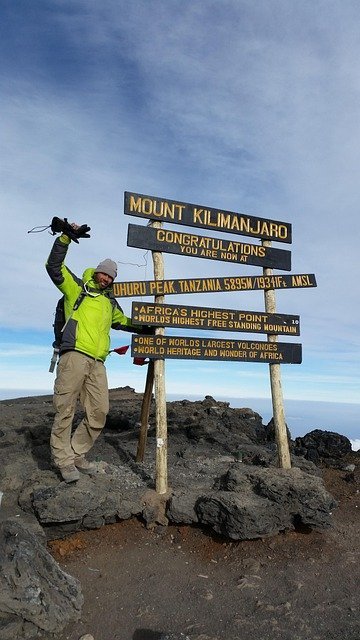
The summit night itself is the most demanding portion of the climb, typically involving a pre-dawn departure from high camp. Climbers ascend through scree (loose volcanic rock) and snowfields to reach Uhuru Peak. While this section can be physically grueling and slippery, it remains a walk – albeit at a slow, deliberate pace known as "pole pole" (Swahili for slowly, slowly). No technical maneuvering is required, though hiking poles and proper footwear are invaluable for stability and safety.
The Skills You Actually Need
While technical climbing skills are unnecessary, several other abilities are essential for success:
Physical Fitness is arguably the most important requirement. Climbers should be able to walk for six to eight hours per day, often on steep and uneven terrain, while carrying a daypack weighing approximately five to ten kilograms. Cardiovascular endurance, leg strength, and core stability are vital for managing the physical demands of the climb.
Mental Preparation is equally crucial. The final summit push involves hiking through the night in freezing temperatures, often with limited visibility and the effects of altitude making every step feel laborious. Mental resilience, determination, and the ability to manage discomfort are often what separate successful climbers from those who turn back.
Altitude Awareness is not a skill in the traditional sense but rather a knowledge requirement. Understanding the symptoms of acute mountain sickness, recognizing when to descend, and trusting your guide's recommendations are critical for safety. Climbers must be honest about how they feel and communicate any concerns to their guides immediately.
Proper Pacing is a learned skill. Experienced guides emphasize the importance of walking slowly to conserve energy and oxygen at high altitudes. Adopting the "pole pole" approach ensures climbers maintain a steady rhythm without exhausting themselves prematurely. Breathing techniques, such as deep diaphragmatic breathing, also help maintain oxygen levels during strenuous sections.
What Equipment Do You Actually Carry?
The equipment needed for Kilimanjaro is standard hiking gear rather than technical mountaineering equipment:
- Footwear: Sturdy, waterproof hiking boots that have been properly broken in, with ankle support for uneven terrain.
- Clothing: Layered clothing systems including thermal base layers, insulating mid-layers, waterproof outer shells, and down jackets for extreme cold at the summit.
- Accessories: Trekking poles, headlamps, sunglasses, gaiters, and warm gloves and hats are essential for comfort and safety.
- Personal Items: Water bottles or hydration systems, sunscreen, lip balm, snacks, and personal medications.
All technical safety equipment, such as emergency oxygen and first aid supplies, are provided by reputable tour operators.
Who Should Consider Climbing Kilimanjaro?
Kilimanjaro is suitable for a wide range of individuals, from experienced trekkers to complete beginners, provided they are physically fit and mentally prepared. The mountain is particularly popular among:
- First-time high-altitude trekkers seeking an achievable introduction to mountaineering.
- Fitness enthusiasts looking for a challenging adventure.
- Nature lovers eager to experience diverse ecosystems and wildlife.
- Solo travelers hoping to join group expeditions and meet like-minded adventurers.
However, individuals with pre-existing health conditions, particularly heart or respiratory issues, should consult their doctor before booking a climb. Pregnant women and those with severe joint problems may also need to reconsider or seek medical clearance.
The Role of Guides and Porters
One of the greatest advantages of Kilimanjaro's non-technical nature is the support system provided by experienced guides and porters. Certified guides receive extensive training in altitude medicine, first aid, route navigation, and emergency response. Their primary responsibility is ensuring the safety and success of every climber, making the climb accessible even to those with minimal outdoor experience.
Porters carry the bulk of camping equipment, food, and supplies, allowing climbers to focus on the journey without the burden of heavy loads. This support system enables climbers to conserve energy for the summit push while still experiencing the full adventure of multi-day trekking.
Common Misconceptions
Several misconceptions persist about Kilimanjaro that can intimidate potential climbers:
- Myth: "You need previous climbing experience." Reality: No prior mountaineering experience is required. Many successful climbers have never climbed a mountain before.
- Myth: "You must be an elite athlete." Reality: While good fitness is necessary, ordinary people with consistent training regularly reach the summit.
- Myth: "The climb is dangerous without technical skills." Reality: With proper acclimatization and experienced guides, the climb is safe for most individuals.
- Myth: "Crampons and ice axes are essential." Reality: Only required on rare icy sections, and guides will provide them if necessary.
Conclusion
Climbing Mount Kilimanjaro does not require technical mountaineering skills, making it one of the most accessible high-altitude treks in the world. The mountain rewards determination, fitness, and proper preparation rather than technical expertise. With the support of experienced guides, quality equipment, and a respectful approach to altitude, climbers of various backgrounds and experience levels can successfully reach Uhuru Peak.
For those dreaming of standing on the Roof of Africa, the journey is ultimately about the experience, the challenge, and the sense of achievement. The memory of watching the sunrise from the highest point in Africa, with glaciers glistening in the first light of dawn, is a reward that far exceeds any physical or mental preparation required. Kilimanjaro welcomes everyone willing to take that first step – and with the right preparation, anyone can reach the summit.