Introduction
The time required to climb Mount Kilimanjaro varies significantly depending on the route chosen, with most expeditions lasting between five and nine days. This duration is not arbitrary but carefully calculated to balance the need for proper acclimatization with the practical constraints of time and resources. Shorter climbs of five days are available, but they come with substantially lower success rates due to the limited time for the body to adjust to high altitudes. Conversely, longer itineraries of seven to nine days dramatically increase the chances of reaching the summit, with success rates often exceeding ninety percent for the most extended routes.
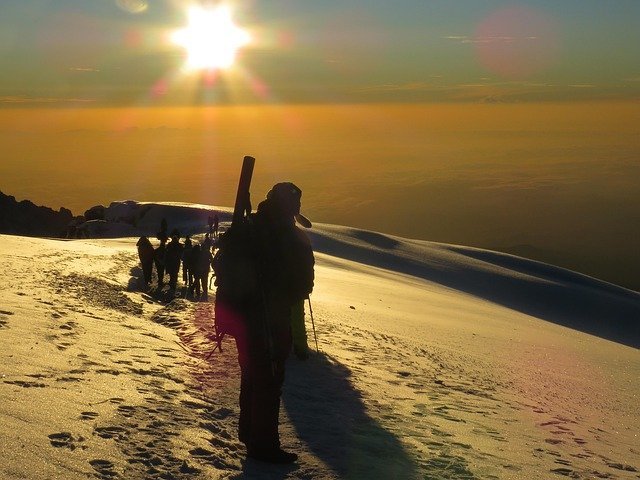
The length of the climb is determined primarily by the need to prevent altitude sickness, a potentially life-threatening condition that occurs when the body cannot adapt quickly enough to decreasing oxygen levels at higher elevations. Medical experts recommend ascending no more than three hundred to five hundred meters per day above three thousand meters, a guideline that naturally extends the duration of the trek. Longer routes incorporate additional rest days, allowing climbers to "climb high, sleep low," a proven acclimatization strategy that helps the body produce more red blood cells to carry oxygen more efficiently.
Route Options and Their Durations
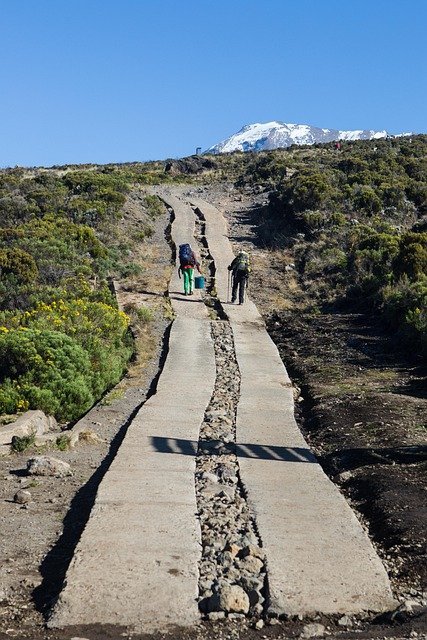
The choice of route significantly impacts the duration of the climb. The Marangu Route, often called the "Coca-Cola Route," offers the shortest itinerary of five days, featuring hut accommodations instead of tents. However, its shorter duration and steep ascent profile make it more challenging for acclimatization. The popular Machame and Lemosho routes typically require six to seven days, offering a good balance between acclimatization and overall trekking experience. For those seeking the highest possible success rates, the Northern Circuit and the eight-day Lemosho route provide extended acclimatization schedules that have produced success rates approaching ninety-five percent among reputable operators.
| Route | Minimum Days | Success Rate |
|---|---|---|
| Marangu | 5 days | 50-60% |
| Machame | 6-7 days | 65-80% |
| Lemosho | 7-8 days | 85-90% |
| Northern Circuit | 9 days | 90-95% |
The Importance of Acclimatization
Acclimatization is the single most critical factor determining success or failure on Kilimanjaro. The human body requires time to adapt to reduced oxygen levels at high altitudes, a process that cannot be rushed. When climbers ascend too quickly, they risk developing acute mountain sickness, which can progress to more severe conditions such as high-altitude pulmonary edema or cerebral edema. These conditions are not only dangerous but also completely preventable with proper acclimatization schedules.
Longer routes incorporate strategic rest days where climbers ascend to a higher altitude during the day and descend to sleep at a lower elevation. This technique, known as "climb high, sleep low," stimulates the body to produce additional red blood cells while allowing for recovery during sleep. The extra days also provide flexibility in case of poor weather or individual health concerns, allowing guides to adjust the pace accordingly.
The Experience Factor
Beyond the technical aspects of climbing, the duration also affects the overall experience. Longer climbs allow for more gradual immersion into the mountain's five distinct climate zones, from the cultivated foothills through rainforest, heath, moorland, alpine desert, and finally the arctic summit. This progression provides climbers with a richer appreciation of the mountain's biodiversity and the dramatic changes in landscape that occur with increasing altitude.
The journey through these zones offers unique experiences at each stage. The rainforest section is alive with monkeys and exotic birds, while the moorland presents otherworldly giant lobelias and senecios. The alpine desert feels like walking on another planet, and finally, the arctic summit zone rewards climbers with stunning glaciers and panoramic views across Tanzania and Kenya. The gradual ascent allows for more time to photograph, observe wildlife, and absorb the magnificence of the surroundings.
Additionally, extra days on the mountain create more opportunities for bonding with fellow trekkers and guides, enhancing the sense of accomplishment when the summit is finally reached. The shared experience of overcoming challenges together often creates lifelong friendships and lasting memories that extend far beyond the climb itself. The camaraderie built during these longer expeditions is frequently cited as one of the most rewarding aspects of the journey.
Cost and Logistical Considerations
It is worth noting that experienced operators recommend adding an extra day to any itinerary when possible, especially for first-time high-altitude trekkers. The additional cost, which includes park fees, guide and porter services, meals, and accommodations, is often justified by the significantly improved odds of success and a more enjoyable overall experience. While shorter climbs may appear more affordable initially, the financial investment is wasted if altitude sickness forces a premature descent.
Guides consistently observe that climbers on longer itineraries arrive at the summit in better physical condition and with more energy to appreciate the achievement. They also report fewer instances of severe headaches, nausea, and fatigue that often plague those on compressed schedules. For those attempting the climb, the extra day represents a relatively small investment compared to the disappointment of turning back due to altitude-related illness. The emotional and physical toll of failing to reach the summit far outweighs the additional expense of a longer itinerary.