Tarangire National Park is one of Tanzania’s most rewarding safari destinations, yet it is often overshadowed by its famous neighbors. This guide answers the most searched questions about the park, helping you plan an unforgettable visit.
1. When is the Best Time to Visit Tarangire National Park?
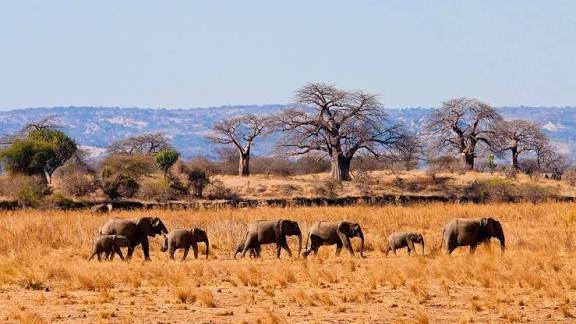
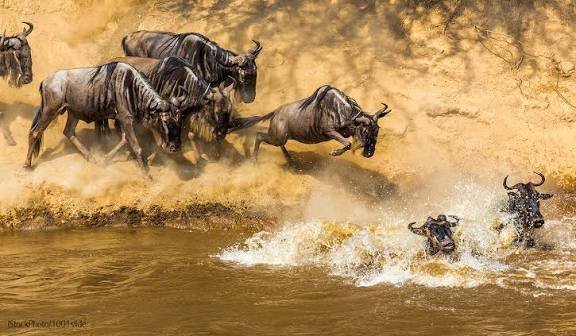
Tarangire is a classic dry-season reserve; timing your visit is the single most important factor for wildlife viewing. The dry season, from June to October, offers peak wildlife viewing as the Tarangire River becomes the only reliable water source, drawing massive herds of elephants, wildebeest, and zebra. This is the best time to witness one of Africa's highest concentrations of wildlife in a compact area.
The wet season (November to May) transforms the park into a lush landscape with dramatic skies and exceptional birdwatching. It offers lower prices and fewer crowds, but the wildlife disperses making game viewing more challenging.
Quick Picks:
- Best Wildlife Viewing: July – October (Dry Season)
- Best Budget Travel: November – May (Wet Season)
- Best for Birdwatching: November – April
2. What Wildlife Will I See in Tarangire National Park?
Tarangire is a wildlife paradise, famous for its 3,000+ elephants—the densest population in Tanzania. The park hosts over 550 bird species, higher than any other park on the Northern Circuit. During the dry season, the park offers one of the highest wildlife densities in Africa, with massive herds of elephants, wildebeest, and zebra concentrated along the river.
3. How Much Does a Tarangire Safari Cost?
A Tarangire day trip from Moshi starts from $215–$600 per person depending on group size. Park entry fees are approximately $62–$70 per person for international adults. A 4-day Tarangire and Ngorongoro safari starts from $1,400–$1,800 per person. Tarangire is generally the more economical choice on the Northern Circuit, with park fees about $20 less per day than the Serengeti.
4. How Many Days Do You Need in Tarangire?
2 days (2 nights) is the sweet spot. This gives you a full day to explore the quieter, more exclusive southern parts of the park. One day is doable as a day trip from Arusha, but you will only sample the park. Three days is ideal for photographers and those wanting a more immersive experience.
5. What is Special About Tarangire's Baobab Trees?
Tarangire is famous for its dense concentration of ancient baobab trees, some over 1,000 years old. These "upside-down" trees act as "Trees of Life," storing up to 2 tons of water. They are the stage for Tarangire's iconic landscape, with their massive trunks and twisted branches creating a prehistoric atmosphere. Interestingly, almost all the baobabs in Tarangire are between 500 and 900 years old, with very few young trees to replace them.
6. How Do I Get to Tarangire National Park from Arusha?
Tarangire is easily accessible from Arusha by road, 2 to 2.5 hours. The route is a tarmac road for most of the journey, passing through the scenic Makuyuni–Minjingu corridor. Flights are the quickest option, taking 45–60 minutes to the park's Kuro Airstrip.
7. How Does Tarangire Compare to the Serengeti?
Tarangire is compact (2,850 km²) with concentrated wildlife, while the Serengeti (14,763 km²) is vast and requires more driving. Tarangire wins for reliable, large elephant viewing and has a distinctive baobab landscape. The Serengeti is the destination for the Great Migration and has more extensive predator viewing. Tarangire is the more economical choice, with lower park fees and transfer costs.
8. Does Tarangire Have Tree-Climbing Lions?
Yes. Tarangire has its own population of lions that regularly ascend trees, a behaviour often associated with Lake Manyara but found here as well.
Final Recommendation
Choose Tarangire when you have limited time, want to see large elephant herds in a compact area with fewer vehicles, or you're looking for a quieter safari at a lower cost. The dry season from June to October is the time to come when the river concentrates the wildlife and the game viewing is superb. For most travelers, the answer is to visit both—the classic Northern Circuit itinerary typically includes 2 days in Tarangire and 2–3 days in the Serengeti.
Let Natured Safaris and Vacations Plan Your Tarangire Safari
At Natured Safaris and Vacations, we design personalized itineraries that allocate the right amount of time to each park based on your interests. Contact us today to start planning your adventure.